

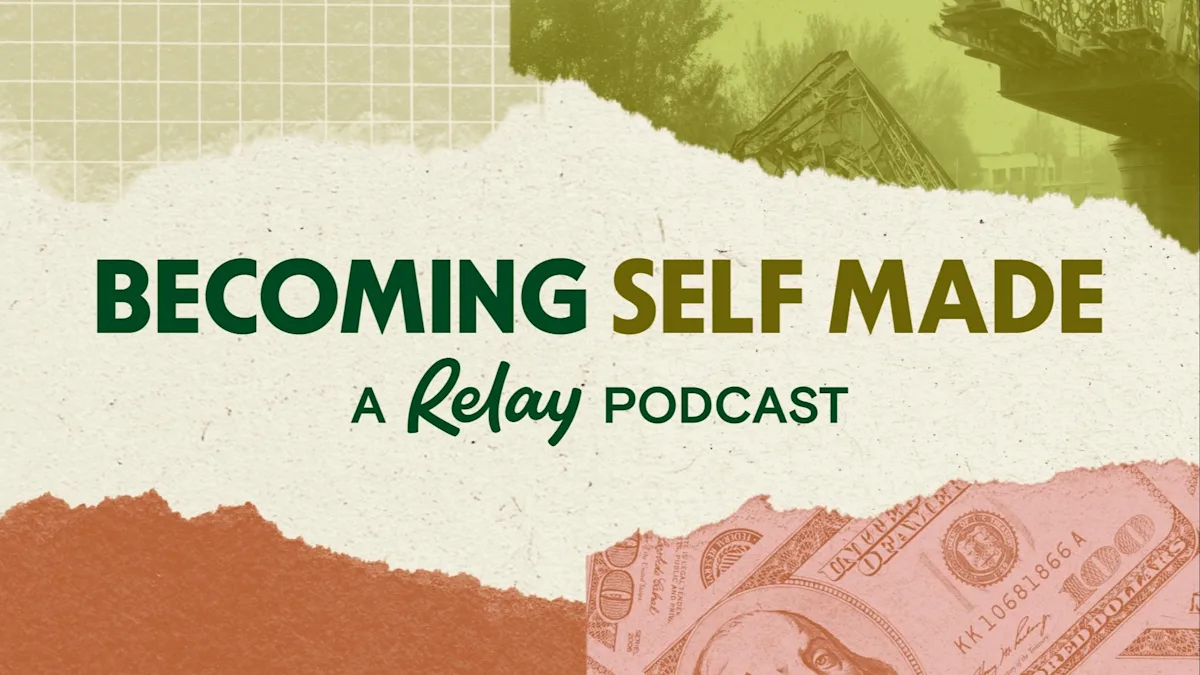
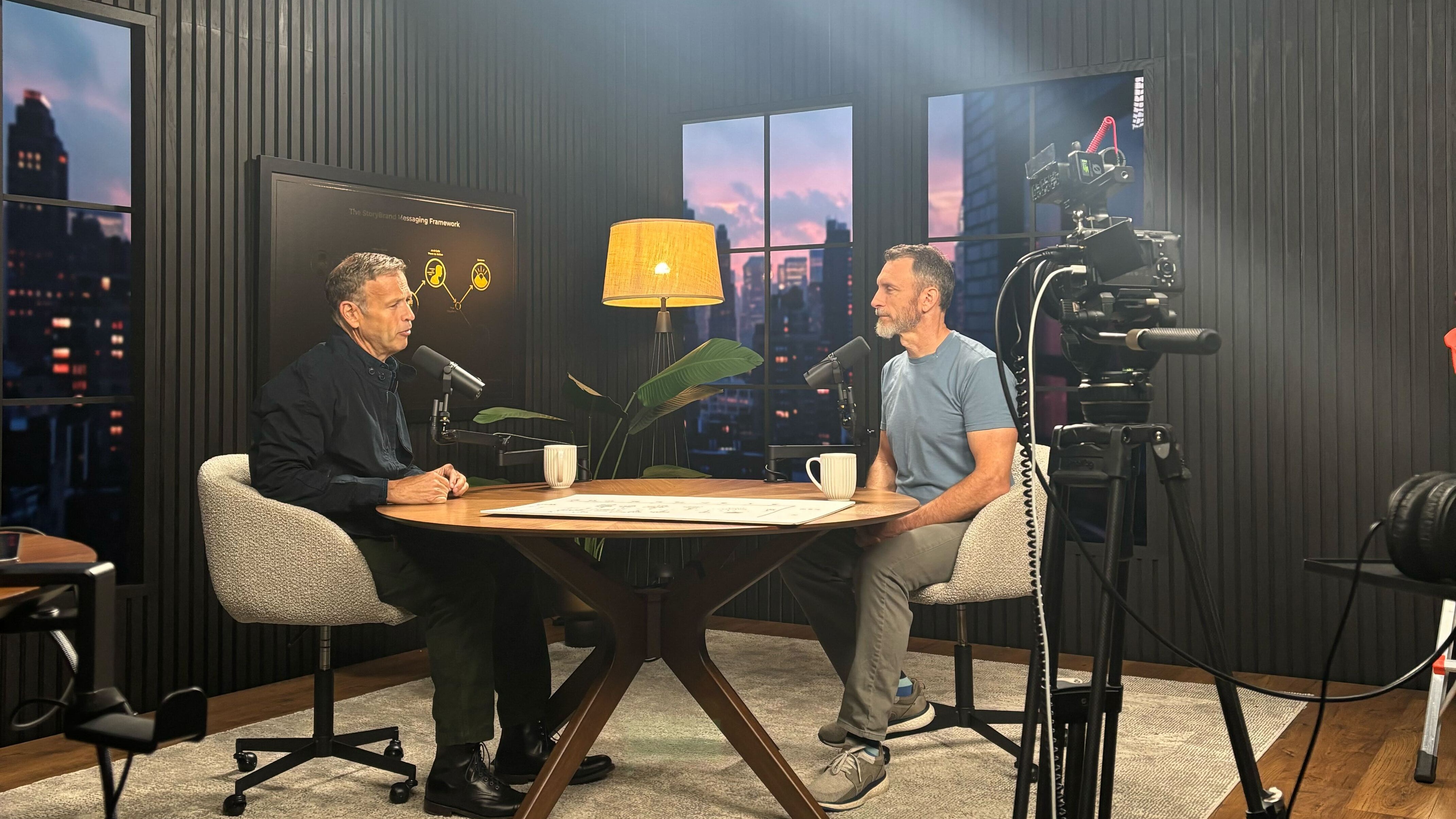
Behind every small business success story is a version you rarely hear—one that’s all about the late nights, the missteps, and the self-doubt that comes before the breakthrough. It’s the real story behind “self-made” success, the messy middle that every entrepreneur knows, but few talk about. It’s also the heartbeat of Becoming Self Made, a new video-first podcast from Relay, hosted by bestselling author and small business champion Mike Michalowicz.
Each week, Mike sits down with founders who built their businesses from the ground up—names like Don Miller of StoryBrand, Jesse and Emily Cole of The Savannah Bananas, and author and entrepreneur Amy Porterfield. Together, they unpack what it really takes to build something lasting—the wins, the doubts, and the transformations along the way.
Unlike most founder podcasts, Becoming Self Made isn’t a playbook; it’s a look inside what entrepreneurship actually feels like. The conversations are raw, funny, and often vulnerable, revealing the human side of business that rarely makes it past the highlight reel.
To mark the launch of Season One, we sat down with Mike Michalowicz to talk about what inspired the show, why now felt like the right moment to make it, and what he’s learned from the conversations that stuck with him most.
Relay is a financial technology company and is not an FDIC-insured bank. Banking services provided by Thread Bank, Member FDIC. FDIC deposit insurance covers the failure of an insured bank. Certain conditions must be satisfied for pass-through deposit insurance coverage to apply.
Why did you want to host a podcast focused on self-made success stories?
It’s a little bit of a dream come true—and maybe partly voyeurism. I love walking into businesses of every size and type and hearing the stories you don’t normally get to hear. I’m tired of the Instagram highlight-reel version of entrepreneurship. It can be deflating. You see those polished snapshots and think, “I could never achieve that.” I think a lot of entrepreneurs feel the same way.
On this show, we go inside real businesses and hear their real struggles, even the ones they’re living through right now. I love being the host because I’m the first person to hear these stories, and I can’t wait for everyone else to hear them too.
Why is now the right time for a podcast like this one?
I think entrepreneurship is about to explode again. There’s a new kind of entrepreneur emerging, driven by AI and new technology. A lot of the rote, repetitive work will disappear, but creative work—that’s where the opportunity lies. That’s the essence of entrepreneurship. This next wave of founders, and even seasoned owners reinventing themselves, need to know what the real journey looks like.
The show’s called Becoming Self Made, but no one really builds a business completely alone. What does that phrase mean to you personally?
To me, it’s about recognizing that while a story might be attributed to one person, it’s really shaped by countless people, experiences, and emotional swings—moments of doubt, belief, and enthusiasm.
“Becoming Self Made” also reflects an active process. It’s not “how they became self made.” Regardless of where these entrepreneurs are, they’re still in it. That’s what listeners will hear throughout the show.
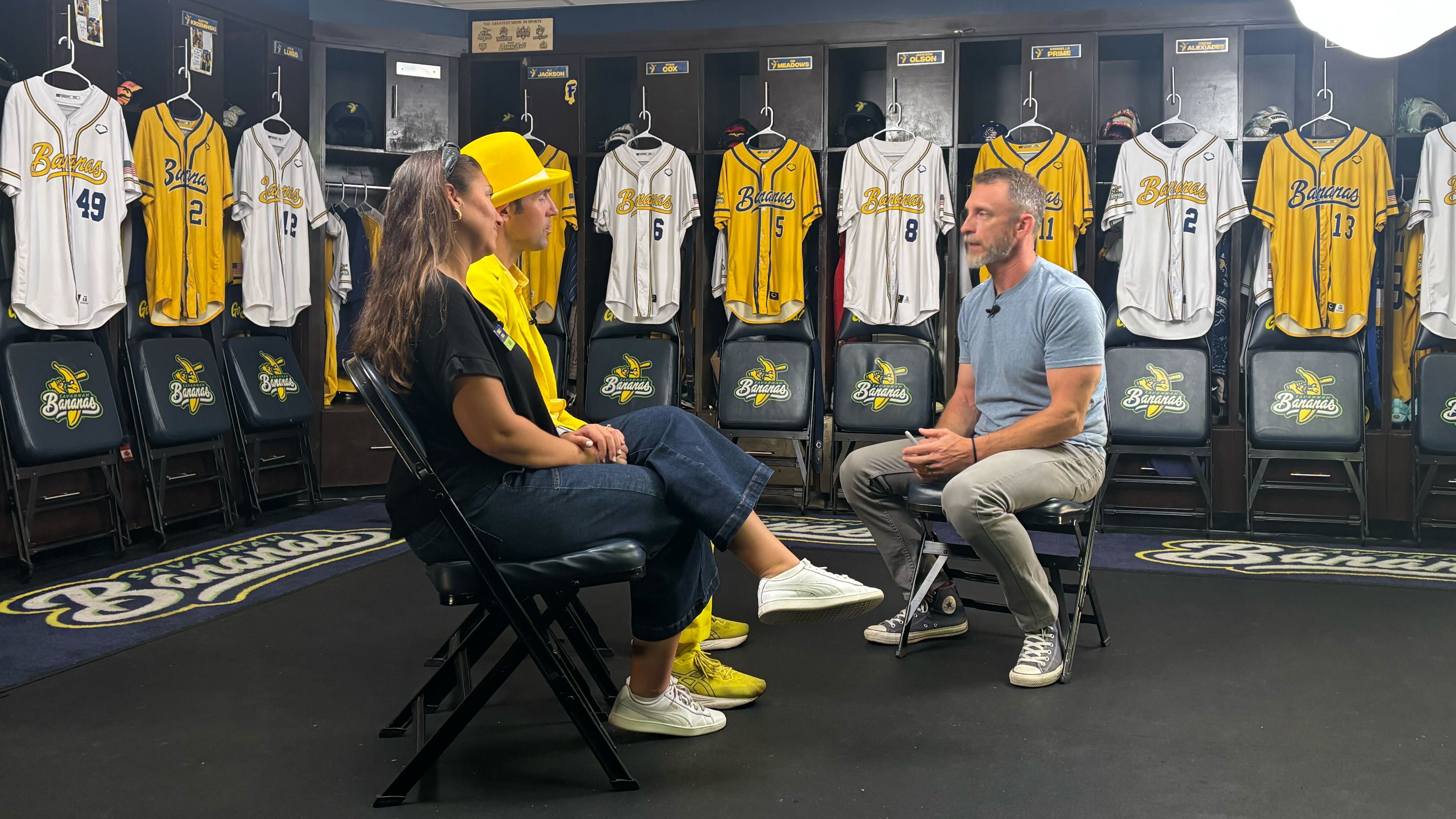
What’s it like to sit down with other seasoned entrepreneurs and hear their unfiltered stories firsthand?
Something totally unexpected—it’s cathartic for them. I thought I’d be the one learning and getting emotional, and that’s true, but Don Miller actually started crying during our recording. At the end he whispered, “Thank you—I needed this. No one’s ever asked me these questions.”
Emily and Jesse Cole talked about the challenge of raising a family while being instantly recognized everywhere they go. These interviews become an outlet for honesty. It’s a privilege. I thought I’d be the one benefiting most—but I didn’t realize how much it would mean to them, too.
That must come with some responsibility, being the person leading those conversations. What’s that like for you as a host?
Yeah, absolutely. I feel responsible for being both tender and curious. Some guests, like Brian Scudamore from 1-800-GOT-JUNK, have been interviewed so many times that their answers are almost automatic. My job is to ask questions they haven’t been asked before—or ask them differently—so they move from a rehearsed response to a real one.
I’m also responsible for creating a safe space. These entrepreneurs are sharing the hard parts of business—the stuff you’re told never to reveal because clients might lose confidence. To earn that trust, I have to be just as candid with my own struggles. Listeners will hear some of my story of becoming self-made, too.
Why is it important for business owners to hear not just the wins, but also the mistakes and struggles behind the scenes?
Because it gives you a realistic view of the journey. Entrepreneurs are sold on the upside—the wealth, the freedom, the impact—but the first challenge hits, sometimes on day one, and it’s like, “This isn’t what I signed up for.”
It reminds me of parenting. My generation gave every kid a trophy, even for last place. The intention was good, but it robbed kids of the chance to struggle and build grit. Entrepreneurship is similar—we glorify the reward and hide the grind.
Amy Porterfield told me something that hit hard: “I can’t be friends with my friends anymore.” She had to choose between staying comfortable with her old circle or pursuing entrepreneurship and growing beyond it. That’s what this show is about—understanding what success actually costs and preparing for it.
Was there a guest story that particularly surprised you, or made you see entrepreneurship differently?
Honestly, every guest surprised me. But Jesse and Emily Cole probably most of all. I’ve known them since the early days of the Savannah Bananas. My wife and I even stayed in the first apartment they lived in—it used to be a gas station that had been vacant for nine years.
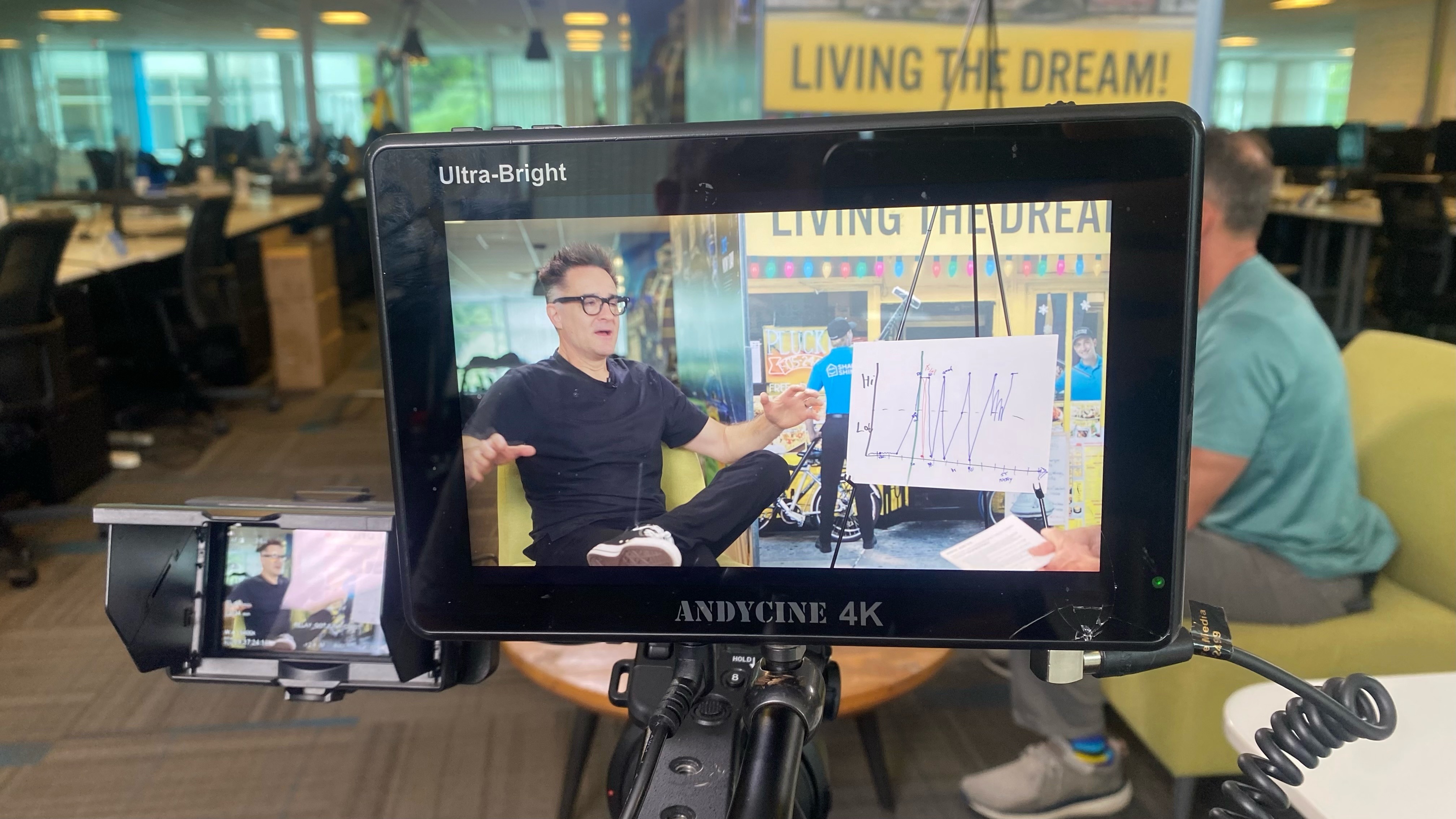
When we recorded, I thought I already knew their story. But there’s this moment where Jesse is talking about all the highs happening in their business, and Emily interjects, “There are lows happening one after another, too.” The room went quiet. You could feel it. It was a reminder that even the people who seem to have it all together are still human and still struggling.
Have you noticed any common threads across these founders’ journeys, even though their businesses are so different?
Yes—two big ones. First, none of them feel “done.” These are people with global recognition, but every one of them feels like they’re still in the middle of it. Some are facing brand-new struggles—maybe “better” struggles—but still struggles.
Second, every single one credits their team. They might be the face of the business, but they know who’s keeping the rhythm behind them.
One moment that stood out was with Donald Miller. He said, “I used to be the smartest guy in the room—but not anymore.” He realized success now depends on surrounding himself with people who are smarter and more capable in their own zones of genius. That humility and trust in others came up again and again.
Is there ever really a point where an entrepreneur is “done”?
I don’t think so. I said to Brian Scudamore—he’s doing six or seven hundred million in revenue—“Wow, you’ve made it.” And he just looked around and said, “Who said we’re done?”
That stuck with me. You never arrive. You just hit another milestone and keep going. Entrepreneurship is an infinite game.
What do you hope small business owners take away from these conversations?
I hope they don’t see these stories as exceptions—as if these people had something special they don’t. I want listeners to picture themselves in every conversation.
In my mind, there are always three people in the room: me, the guest, and the listener. I want entrepreneurs to recognize their own story in these interviews—the long hours, the rejection, the doubt—and realize that what feels like a wall might just be another mile marker. If they’re feeling stuck, I hope this show helps them see a new way forward.
How has hosting these interviews changed how you see your own journey as an entrepreneur?
Every time I walk into a recording, I feel a wave of inadequacy—like, “Look at what they’ve built. I could never do that.”
But seeing their realities up close, I realize we’re all just on different stages of the same journey. It’s not about competition anymore—it’s about personal records. What milestone have I hit, and what do I want to beat next? It’s shifted me from comparing myself to others to focusing on my own growth.
What excites you most about putting this podcast out into the world and sharing these stories?
What excites me most is that it’s not just inspiration, and it’s not just instruction—it’s reality.
So much of what we see online are highlights. This show brings it back to truth. Entrepreneurship isn’t for everyone—and that’s okay—but for those who pursue it, they deserve to know what it really takes.
And because it can be such a lonely pursuit, I hope this podcast makes it feel less lonely. It’s like having someone put an arm around your shoulder and say, “I’ve been there too.”
Coming out of these conversations, what’s one piece of advice you’d give to someone who’s really in the trenches right now, trying to build their business?
Do your thing.
Every entrepreneur has something unique that makes them who they are. The biggest mistake is trying to copy someone else’s version of success. People read about Sara Blakely or Elon Musk and think, “I’ll just do what they did.” But they skip steps—or worse, they lose themselves in the process.
Every guest on this show realized their breakthroughs came when they leaned into their own quirks and authenticity. The Savannah Bananas are successful because Jesse and Emily Cole built something that reflects them completely. The same goes for Amy Porterfield, for Yoseph West from Relay, for Brian Scudamore. Different industries, same truth: be true to who you are.
Have you taken anything from these interviews back into your own business?
Oh, tons. I’m constantly taking photos and notes during visits.
At the Savannah Bananas, I noticed how open their culture is. As we were leaving, someone recognized Jesse Cole and asked for a photo. Afterward, he pointed to the field and said, “Take a walk around—go sign the wall.” Baseball teams don’t do that when there’s no game! He said, “Exactly. That’s why we do it. Our doors are open 24/7.”
That really stuck with me. How do I keep my doors open metaphorically?
When I get back from these trips, I unload all these ideas on my team. Kelsey, our company president, braces herself every time I walk in the door. But we’ve already implemented some of the best ones.
Any dream guests you’d love to have on future seasons?
There’s a company called Beekman 1802—two entrepreneurs who left New York City during the pandemic, bought a farm upstate, and accidentally became goat farmers. Now they run a hundred-million-dollar company selling goat-milk soap. I’ve already told our production team, “We have to interview them.”
Personally, I’d love to sit down with the founders of a boutique guitar company. I play guitar, and I think those small-business stories are just as fascinating as the big ones. Sometimes the most inspiring stories come from the people no one’s heard of yet.
Any final thoughts you want to share about the podcast?
If you’re listening—or reading—right now, go subscribe to Becoming Self Made on your favorite podcast platform.
Every episode keeps getting better as we find our rhythm. I really think we’re creating something special—something honest, human, and truly helpful for entrepreneurs.
Amazing. Thanks so much, Mike.
Thanks, I can’t wait for everyone to hear it.
Becoming Self Made launches November 4. Listen on Spotify, Apple Podcasts, or YouTube, and follow along as Mike Michalowicz sits down with the founders redefining what “self-made” really means.
Relay is a financial technology company and is not an FDIC-insured bank. Banking services provided by Thread Bank, Member FDIC. FDIC deposit insurance covers the failure of an insured bank. Certain conditions must be satisfied for pass-through deposit insurance coverage to apply.