


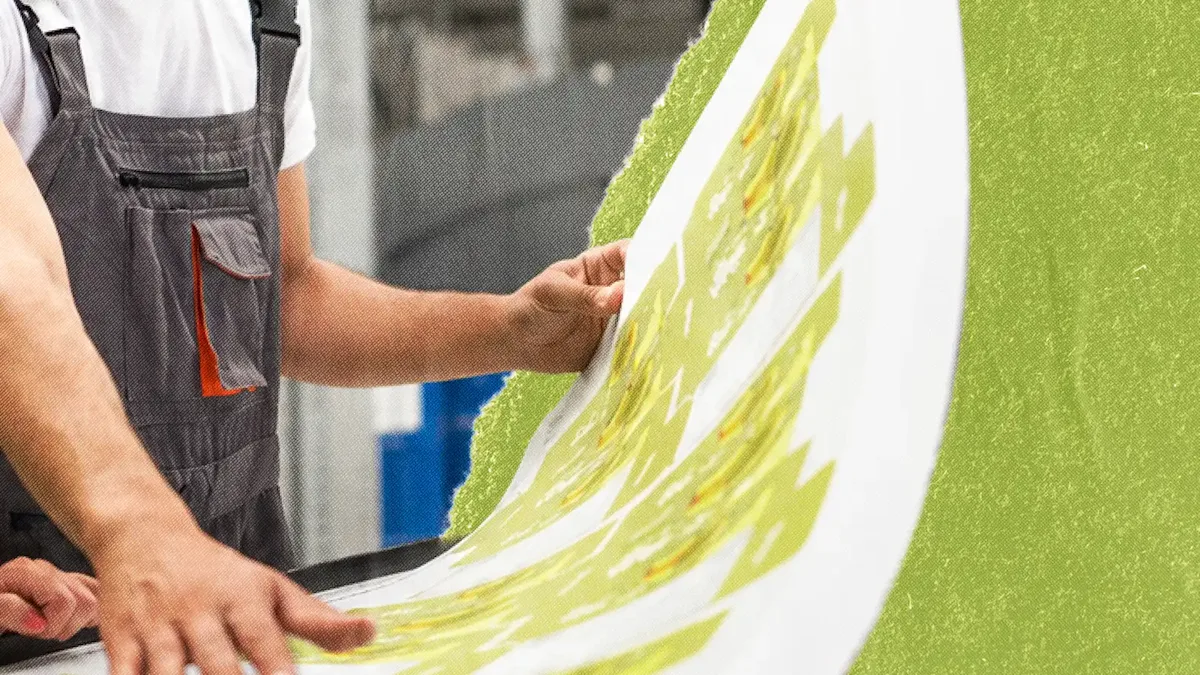
Brandywine Printing is the premier source for custom printing solutions in Cumming, Georgia. It serves Forsyth County and nearby communities including Alpharetta, Johns Creek, Milton, and Roswell.
What started in a basement in 1982 has grown into a family-run, second-generation print shop. Brandywine helps organizations with printing needs of all kinds, from banners and posters to business cards and more. The company pairs traditional print expertise with digital ordering capabilities that rank in the top 1% of printers nationwide.
But behind the scenes, managing money wasn't as seamless as the experience Brandywine had built for its customers. After its small community bank was acquired, the relationship-driven experience disappeared, and owner Derek Brooks needed a different solution for managing cash flow. The company also wanted clearer visibility into what money was available, what was already accounted for, and how purchases were being tracked.
With Relay, Brandywine opened multiple accounts, set up Profit First rules, automated transfers, and connected card spending with expense management.
Company outcomes
$20K set aside in advance for property taxes
12 accounts organizing cash flow by purpose
Zero time spent tracking down receipt questions
Before Relay: strong cash habits, but no clear system
Cash management has always been part of how Brandywine Printing stayed resilient. Since taking over the company from his father in 2006, Derek Brooks has led the second-generation print shop through 9/11, the housing crash, and the COVID-19 pandemic without relying on debt.
But before Relay, that discipline was not backed by a solid system. Brandywine's cash flow was managed more by instinct than process.
As Derek puts it, “It was more like, we have this much money, we can spend this much money. Mental math.”
Some years, that meant looking at the bank balance and feeling fine. Other times, it meant realizing there were only two weeks of payroll left and spending had to stop.
Brandywine’s relationship with its bank also changed quickly. Derek’s father used to take deposits to their three-branch community bank multiple times a week. After he passed away, Derek maintained those relationships but asked for a remote deposit setup to keep deposits moving without the extra trips. It was then that he learned the bank was in the middle of a merger. Within weeks, the familiar staff was gone and the business was folded into a much larger bank with 300-plus locations.
That disruption became the push Derek needed to move from habit to structure. Brandywine needed a better way to see what funds were ready to use, what had already been allocated, and what needed to stay untouched.
The solution: putting Profit First into motion with Relay
Derek had read about Profit First before switching banks, but Relay gave him a practical way to put the system into motion. He started with five accounts and set up Profit First rules on day one. Over time, that structure grew into 12 accounts, each giving Brandywine Printing’s money a clearer purpose.
Now, all of Brandywine’s money flows into an income account before Relay’s rules move it where it needs to go. Every Saturday at 2 a.m., funds are allocated across the company’s accounts. Maximum balance rules run daily, sweeping any excess back into operating expenses.
That structure changed how bills get paid, too. On Tuesdays, Brandywine’s bookkeeper pays bills using whatever is in the operating expense account. Because taxes, savings, and other obligations have already been accounted for, she can use that balance with more confidence.
Relay also gave Brandywine a cleaner way to manage spending. Derek uses Relay cards for predictable expenses like subscriptions, while receipt capture and QuickBooks integration give the bookkeeper the details needed to understand and categorize each purchase without chasing down answers.
“It’s more control than any bank that I’ve ever had,” Derek says.
The impact: clearer numbers and cleaner records
Cash flow with a clear purpose
With 12 accounts now organizing Brandywine Printing’s money, Derek no longer has to treat one balance as the full picture. Instead of looking at one number and deciding what the business can afford, he can see what’s available for operating expenses, what’s already been allocated, and what needs to stay untouched.
Prepared before taxes come due
Property taxes are one place where the new structure has made a measurable difference. Brandywine can now set aside cash throughout the year for its $20,000 property tax bill, keeping the funds separate from operating expenses until the bill comes due.
Expense details without the chase
Receipt tracking has also become easier. Before, if the bookkeeper could not identify a charge, she had to call or email Derek, who then had to dig through the details to figure out what the purchase was. Now, he says the time spent tracking down those answers is “zero.”
Relay: more space to create
Ultimately, Relay has turned cash management from something Derek had to constantly think through into a system he can see at a glance, check from anywhere, and trust to keep moving without him stepping in.
When asked what that allows him to do, Derek says: “One word: Sleep. And it’s given me so much mental space to be creative because I’m not thinking about this all the time.”
BANKING FOR THE SELF-MADE
Get started in minutes.